
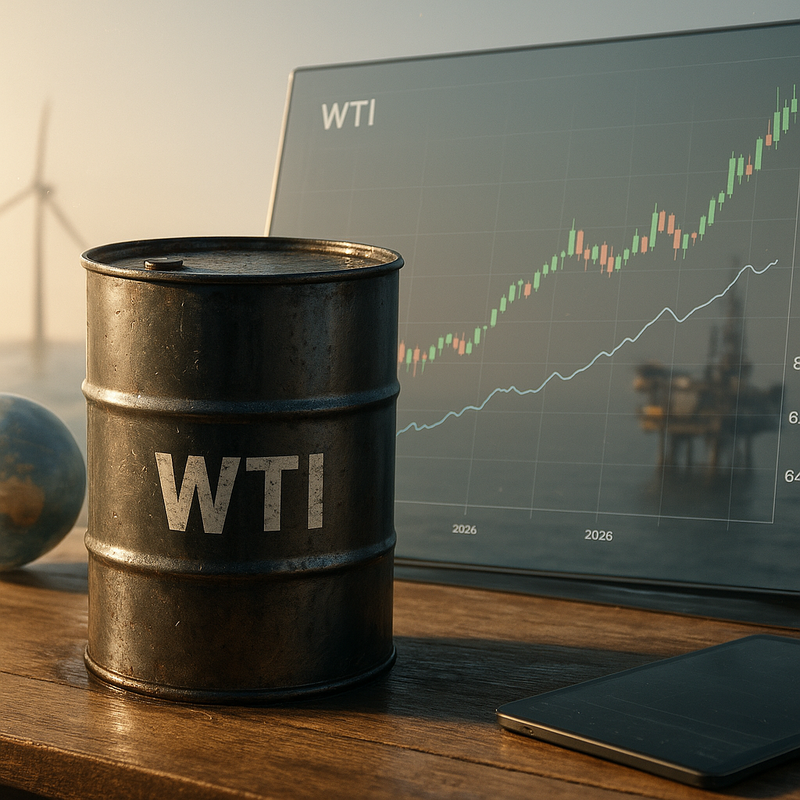
Understanding WTI Oil Prices in 2026: Current Trends and Future Outlook
Introduction
Oil prices remain a vital indicator of the global economy, influencing everything from consumer costs to international relations. Among them, West Texas Intermediate (WTI) oil prices are especially important as a key benchmark for crude oil valuation. In 2026, WTI prices are under intense watch due to ongoing economic shifts, supply chain challenges, and changing energy policies. This article breaks down the latest WTI oil price trends, key driving forces, and what to expect going forward.
What Is WTI Oil and Why It Matters
West Texas Intermediate (WTI) is a premium grade of crude oil mainly produced in the United States. Known for being “light” and “sweet” — meaning low density and low sulfur content — WTI is highly sought after for refining into gasoline and other petroleum products. Because it serves as one of the global benchmarks for oil pricing, WTI prices guide decisions made by traders, producers, consumers, and policymakers alike.
Understanding WTI oil prices is crucial since they directly impact economic activities. Changes in oil prices affect transportation costs, manufacturing expenses, and eventually consumer prices. More broadly, WTI price movements can also signal wider economic trends, such as inflation pressures or shifts in global oil demand.
Current Trends in WTI Oil Prices
As of early 2026, WTI crude oil is trading around $87.90 per barrel. While that’s a 3.3% dip from the previous day, it still marks a significant 37.4% increase compared to last month. This volatility highlights the complex factors influencing the global oil market today.
Key drivers include:
- Global Economic Conditions: While pandemic recovery has boosted oil demand, concerns about tighter monetary policies and recession risks temper enthusiasm.
- Supply Chain Disruptions: Geopolitical tensions in key oil-producing regions continue to disrupt production and transport, creating supply uncertainties.
- OPEC+ Production Decisions: Coordination between OPEC and its allies remains a central lever in balancing oil supply and stabilizing prices.
- Technological Innovation: Advances in extraction and production, especially in the U.S., enhance supply flexibility and affect market dynamics.
- Environmental Policies: The global shift toward renewable energy is changing long-term demand patterns and adding new layers of pricing complexity.
Together, these factors paint a detailed picture of the nuanced WTI oil price fluctuations seen through 2026.
Forecasting WTI Oil Prices for the Year
Looking ahead, experts expect ongoing volatility in WTI oil prices throughout 2026, with anticipated ranges between $80 and $100 per barrel. This forecast rests on steady global demand, manageable geopolitical tensions, and continued technological progress.
For example, sustained economic growth should support stable demand and moderate price increases. On the other hand, any resurgence of geopolitical conflicts could trigger sharp price spikes. Meanwhile, rapid advancements in renewable energy and faster adoption rates may curb long-term oil demand, potentially pushing prices downward.
This forecast highlights the importance of closely monitoring market signals and geopolitical developments to navigate future price swings.
Implications of WTI Price Movements
The impact of fluctuating WTI prices reaches far beyond the oil market:
- Consumers: Shifts in WTI prices typically influence gasoline prices, affecting household budgets and spending choices.
- Businesses: Industries reliant on fuel, like logistics and manufacturing, face variable cost pressures that shape profitability and business strategies.
- Governments: Policy responses might include subsidies or expanded investment in clean energy to soften economic impacts and drive sustainable transitions.
Recognizing these effects helps individuals and organizations anticipate economic adjustments and policy shifts tied to oil price changes.
Conclusion
WTI oil prices in 2026 remain a crucial economic indicator shaped by the interplay of global demand, production strategies, technological innovations, and geopolitical factors. Understanding these forces equips readers to better navigate the uncertainties in today’s energy markets. As the year progresses, staying informed through trusted sources and considering diversified energy options will be essential to effectively managing the consequences of fluctuating oil prices.
By gaining a clear grasp of current trends and the future outlook for WTI oil prices, investors, policymakers, and consumers can make smarter decisions in investment, consumption, and energy planning.
