
body {
font-family: “Segoe UI”, Tahoma, Geneva, Verdana, sans-serif;
color: #333333;
line-height: 1.6;
margin: 0;
padding: 20px;
background: #f9f9f9;
}
h1 {
color: #004080;
padding-bottom: 10px;
border-bottom: 2px solid #004080;
font-weight: 700;
}
h2 {
color: #0066cc;
border-bottom: 1px solid #cce0ff;
padding-bottom: 6px;
margin-top: 30px;
}
h3 {
color: #004080;
margin-top: 25px;
margin-bottom: 10px;
font-weight: 600;
}
ul {
margin-left: 20px;
color: #222;
}
li {
margin-bottom: 8px;
}
p {
margin-bottom: 16px;
}
.key-takeaways, .suggested-steps {
background: #e6f0ff;
border-left: 6px solid #004080;
padding: 15px 20px;
margin-top: 20px;
margin-bottom: 20px;
border-radius: 4px;
}
a {
color: #004080;
text-decoration: none;
}
a:hover {
text-decoration: underline;
}
The Future of Liquefied Petroleum Gas in 2026:
The Future of Liquefied Petroleum Gas (LPG) in 2026: Trends, Challenges, and Opportunities
Introduction
Liquefied Petroleum Gas (LPG) continues to be a cornerstone of the global energy landscape. As we move toward 2026, LPG remains a crucial energy source, especially for domestic cooking, heating, and industrial applications. Its efficiency, adaptability, and relatively low environmental footprint have driven growing global acceptance among consumers and policymakers alike. Yet, this energy sector is evolving rapidly, shaped by the rise of alternative energy sources and tightening environmental regulations. Understanding these shifts is essential for forecasting LPG’s future.
This article delves into the latest LPG industry trends, technological breakthroughs, regulatory dynamics, challenges, and promising growth opportunities projected for 2026 and beyond.
Understanding LPG: Composition and Benefits
LPG is primarily a blend of propane and butane—hydrocarbons produced during crude oil refining and natural gas processing. These components give LPG several notable advantages:
- High Energy Density: LPG offers more energy per unit compared to many other fuels, making it ideal for efficient cooking and heating.
- Cleaner Combustion: LPG emits far fewer greenhouse gases and particulate matter than coal, kerosene, and traditional biomass fuels.
- Easy Storage and Transport: Being liquefied under moderate pressure enables convenient storage and distribution, particularly vital in remote or infrastructure-limited regions.
- Versatile Applications: LPG’s use extends beyond home heating and cooking to hot water systems, vehicle fuel, and various industries.
Recognizing these attributes underscores why LPG remains a preferred, reliable energy resource across diverse sectors.
Recent Trends in the LPG Industry
Rising Demand for Cleaner Energy
Global commitments to reduce carbon emissions have intensified the shift toward cleaner fuels. The International Energy Agency (IEA) identifies LPG as a pivotal transitional fuel, replacing polluting solid fuels like biomass and coal in many markets. This evolution addresses both environmental and public health concerns while supporting broader sustainability objectives.
Cutting-Edge Technological Innovations
Technological advancements are revolutionizing the LPG sector, emphasizing improved safety, efficiency, and user convenience. Key innovations include:
- Smart LPG Systems: Incorporating IoT-enabled solutions for real-time consumption tracking, leak detection, and safety alerts enhances operational transparency and user confidence.
- Advanced Leakage Sensors: New sensors significantly reduce accident risks, reinforcing safety standards and regulatory compliance.
These technologies are setting elevated benchmarks for LPG utilization worldwide.
Stronger Regulatory Support and Policy Frameworks
Government policies are instrumental in shaping LPG’s trajectory. Increasingly, regulatory initiatives support the transition to cleaner fuels through:
- Subsidies & Incentives: Financial backing helps households switch from traditional energy sources to LPG, breaking down economic barriers to adoption.
- Enhanced Safety Standards: New storage, handling, and transportation regulations aim to reduce the risks associated with LPG, bolstering consumer trust.
These measures reflect growing governmental dedication to integrating LPG into sustainable energy strategies.
Challenges Facing the LPG Industry
Intense Competition from Renewable Energy
The rapid growth of renewables—especially solar and wind—along with improvements in battery storage technologies, presents stiff competition, threatening LPG’s market share.
Price Volatility Linked to Oil Markets
Since LPG prices closely track global oil markets, they are prone to fluctuations that impact supply stability and consumer affordability. Geopolitical and economic shifts in oil-producing regions add layers of unpredictability for both producers and users.
Environmental Concerns Persist
Although LPG is cleaner-burning than many traditional fuels, it remains a hydrocarbon that contributes to greenhouse gas emissions, including methane—a potent global warming agent. The LPG industry faces mounting pressure to lower its environmental impact and embrace greener alternatives.
Opportunities for Growth in the LPG Sector
Expanding Footprint in Emerging Markets
Rapid urbanization and energy transitions in Asia and Africa present vast untapped potential for LPG adoption, especially as households move away from biomass and coal. Growth strategies include:
- Investing in Infrastructure: Enhancing distribution networks and storage capacity to expand accessibility.
- Education and Awareness: Implementing training programs that highlight LPG’s safety and environmental benefits, encouraging wider acceptance.
These efforts are pivotal for unlocking LPG’s growth in developing economies.
Diversifying LPG Applications
LPG’s versatility opens doors to new markets beyond conventional uses:
- Industrial Applications: Heating in manufacturing, greenhouse agriculture, and chemical processing can leverage LPG’s efficiency and cleanliness.
- Transport Fuel: Growing interest in LPG-powered vehicles, supported by evolving engine technologies and refueling infrastructure, boosts sustainability and energy security.
Broadening LPG’s application spectrum strengthens its market relevance and resilience.
Collaborative Innovation and Partnerships
Collaboration between LPG suppliers, tech developers, and regulators accelerates advancements in safety, sustainability, and new business models. Such partnerships drive:
- Higher efficiency and stricter safety standards
- Development of innovative LPG applications
- Sustainable LPG production and consumption pathways
Joint efforts are vital for fostering a robust, future-ready LPG industry.
Embracing Sustainable LPG Solutions
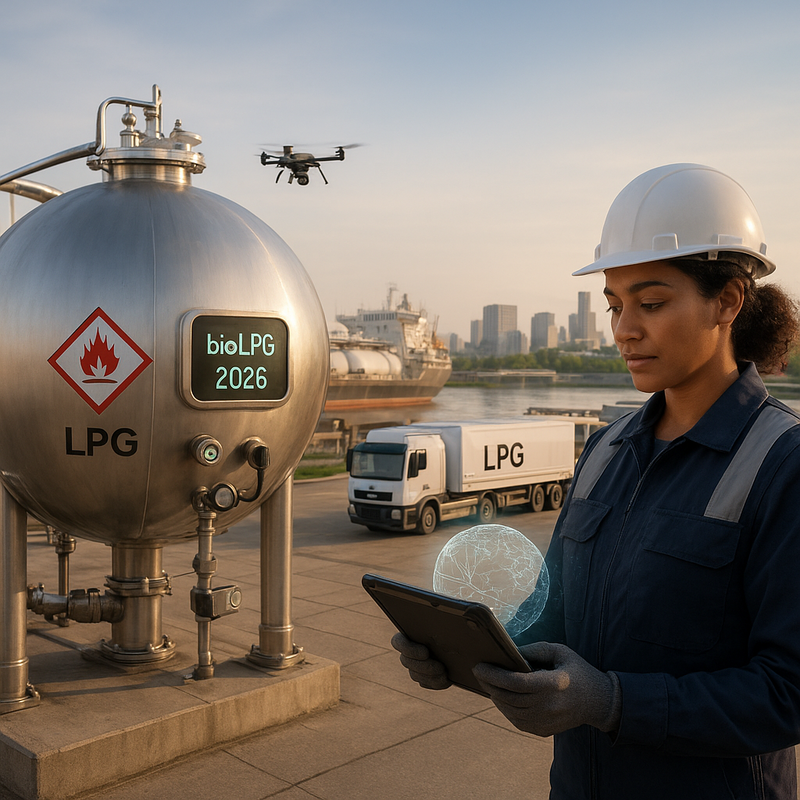
BioLPG—renewable LPG derived from biological sources—is an exciting frontier in sustainable energy. Integrating bioLPG with conventional LPG systems positions the industry to meet rising environmental expectations and reduce dependence on fossil fuels.
Conclusion
Looking ahead to 2026, Liquefied Petroleum Gas remains a crucial pillar of the global energy mix. Despite growing competition from renewables, price volatility, and environmental concerns, LPG’s inherent advantages, combined with ongoing technological innovation and supportive policies, underpin its enduring potential. By targeting emerging markets, expanding applications, fostering partnerships, and prioritizing sustainability, the LPG sector is well-poised to meet future energy demands responsibly and effectively.
Key Takeaways
- LPG’s cleaner energy profile aligns with global carbon reduction goals and benefits from increasing policy support.
- Technological innovations boost LPG’s safety, efficiency, and user appeal.
- Challenges include renewable competition, market volatility, and environmental pressures.
- Significant growth opportunities exist in emerging markets, application diversification, collaborative initiatives, and sustainable LPG development.
Suggested Next Steps
- Build partnerships with local LPG distributors in developing regions to expand customer reach.
- Invest in R&D for safer, more efficient, and eco-friendly LPG technologies.
- Stay informed on evolving regulations to ensure compliance and capitalize on emerging incentives.
For continuous updates, engage with authoritative sources such as the World LPG Association, which offers invaluable insights into the ever-evolving LPG landscape.
